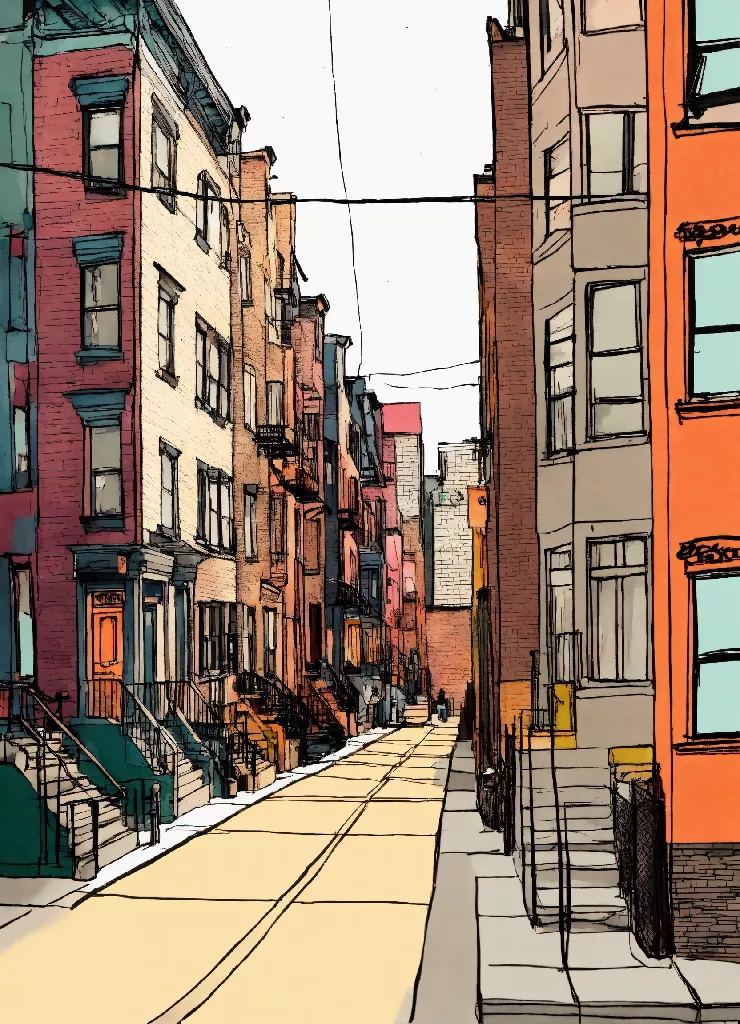
The Spirit of the City: New York's Architectural Marvels"
New York City's architecture is a striking blend of history, innovation, and grandeur. The city is known for its iconic skyline, filled with towering skyscrapers that have come to symbolize the ambition and energy of urban life. The architectural landscape features a mix of classical and modern styles, from the ornate, early 20th-century Beaux-Arts buildings to sleek, contemporary structures.
Prominent landmarks such as the Empire State Building, a symbol of the city's rise in the early 20th century, and One World Trade Center, a modern marvel of glass and steel, reflect both the city’s resilience and forward-thinking design. The Chrysler Building, with its art deco spire, stands as a testament to the city’s golden age of architecture.
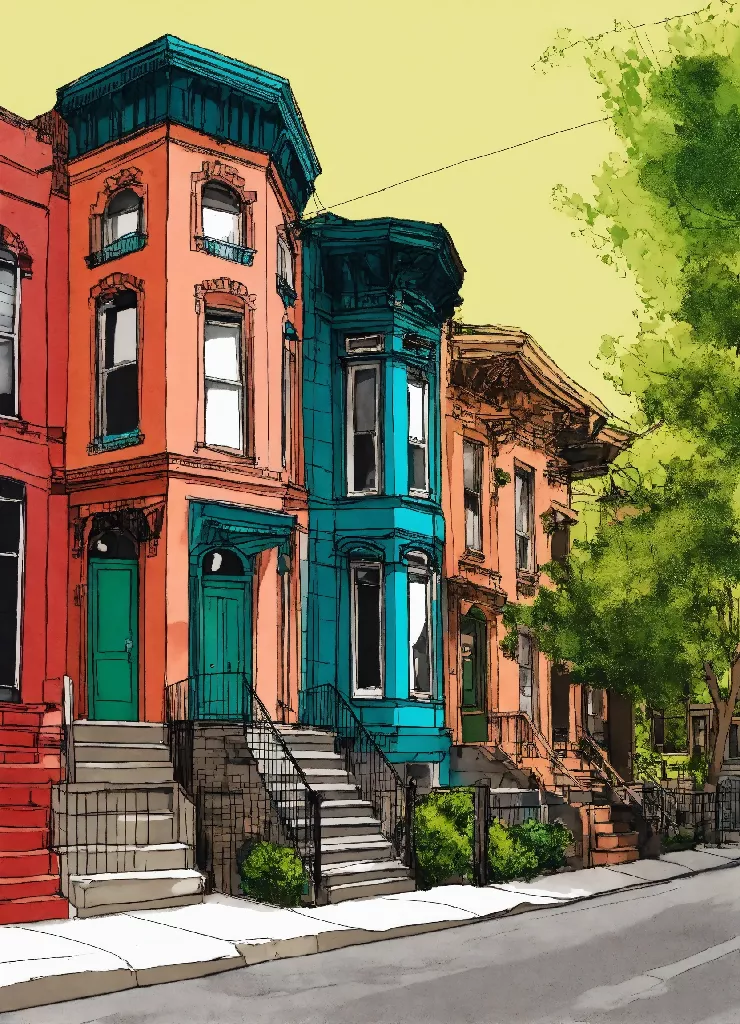
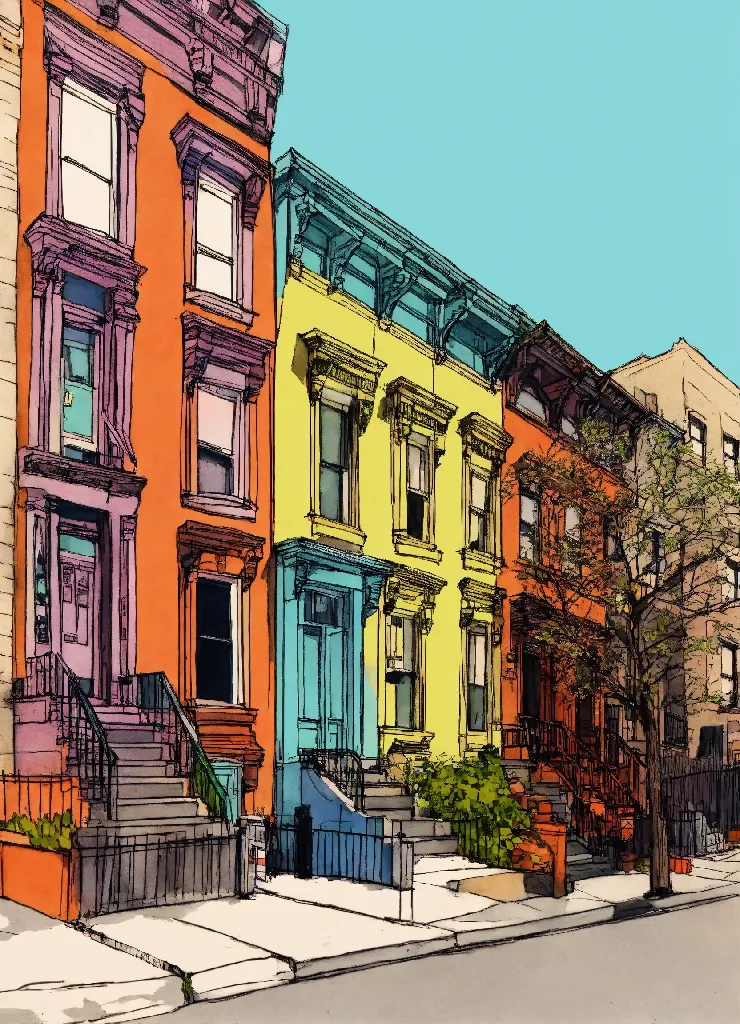
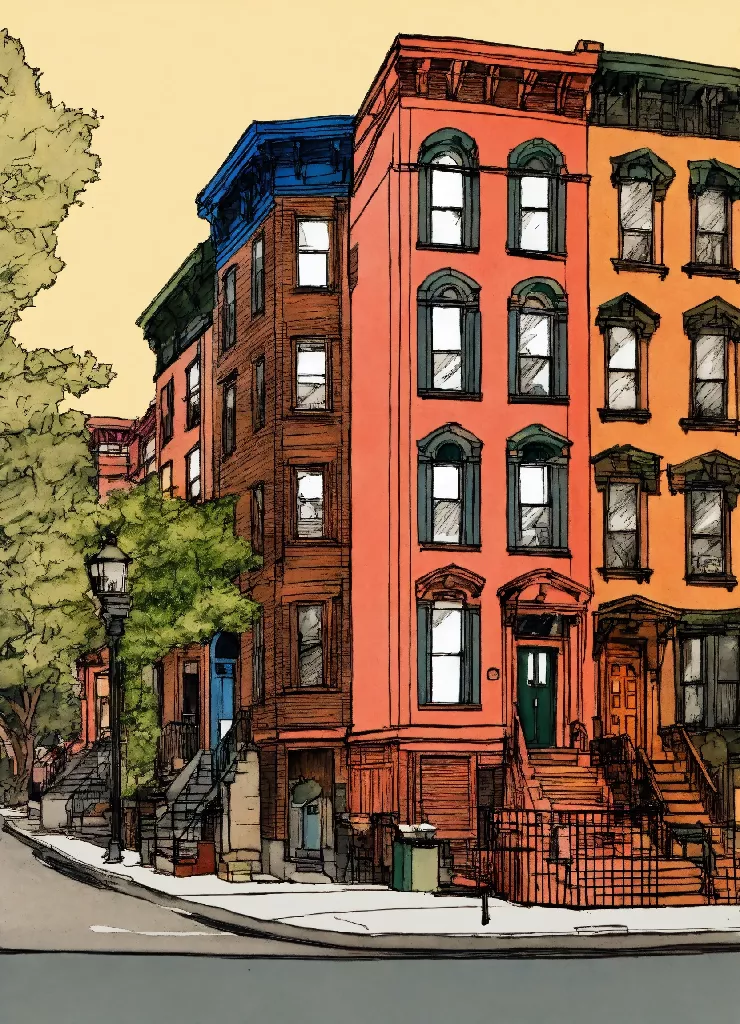
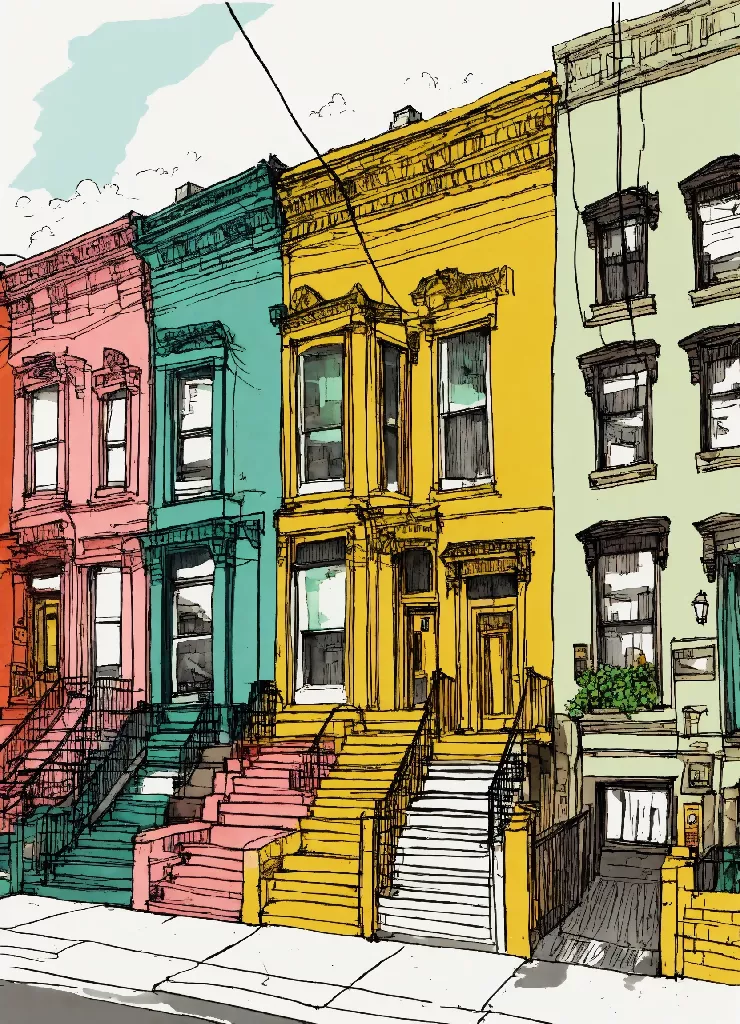
New York also embraces modernist structures, like the Metropolitan Museum of Art and The High Line, a transformed elevated park showcasing creative design. In contrast, areas like Greenwich Village feature more intimate, historic brownstones, while SoHo offers a collection of cast-iron buildings, once industrial spaces now converted into galleries and shops.
Each neighborhood contributes its own unique flavor, whether through Midtown Manhattan’s bustling business district or the waterfront aesthetics of Brooklyn's DUMBO. This vast array of styles and structures makes New York City a living architectural museum, where past and present coexist in harmony.
$15.75
Original: $45.00
-65%The Spirit of the City: New York's Architectural Marvels"—
$45.00
$15.75Product Information
Product Information
Shipping & Returns
Shipping & Returns
Description
New York City's architecture is a striking blend of history, innovation, and grandeur. The city is known for its iconic skyline, filled with towering skyscrapers that have come to symbolize the ambition and energy of urban life. The architectural landscape features a mix of classical and modern styles, from the ornate, early 20th-century Beaux-Arts buildings to sleek, contemporary structures.
Prominent landmarks such as the Empire State Building, a symbol of the city's rise in the early 20th century, and One World Trade Center, a modern marvel of glass and steel, reflect both the city’s resilience and forward-thinking design. The Chrysler Building, with its art deco spire, stands as a testament to the city’s golden age of architecture.
New York also embraces modernist structures, like the Metropolitan Museum of Art and The High Line, a transformed elevated park showcasing creative design. In contrast, areas like Greenwich Village feature more intimate, historic brownstones, while SoHo offers a collection of cast-iron buildings, once industrial spaces now converted into galleries and shops.
Each neighborhood contributes its own unique flavor, whether through Midtown Manhattan’s bustling business district or the waterfront aesthetics of Brooklyn's DUMBO. This vast array of styles and structures makes New York City a living architectural museum, where past and present coexist in harmony.